Tel: 082 7840 807 | Email: jan@streetsafe.co.za
Gated Communities and Access-Controlled Road Closures Make Sense

Across many urban and suburban areas, residents and businesses are increasingly exploring ways to create safer, more organised, and more cohesive environments. One solution that continues to gain traction is the implementation of gated communities and controlled road closures with access management. While not without debate, these systems offer a range of practical and social benefits that make them a compelling option for many neighborhoods.
1. Enhanced Safety and Crime Prevention
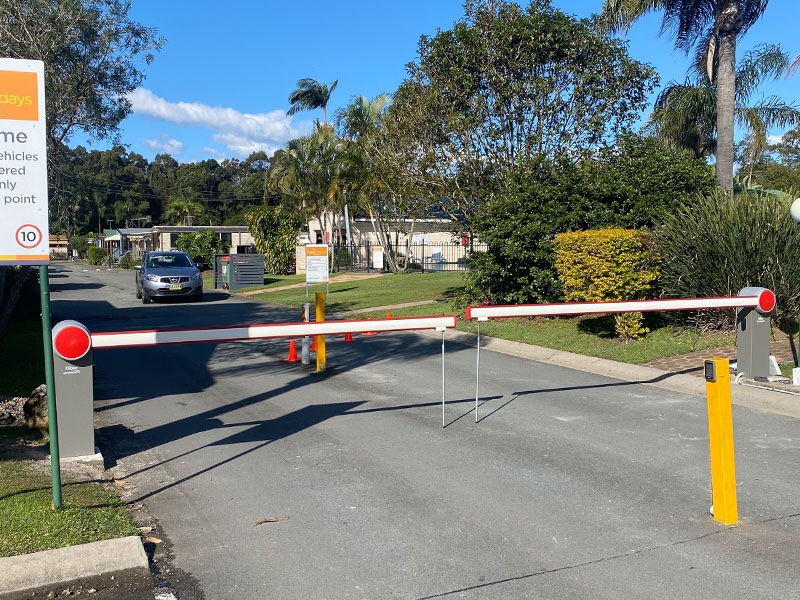
The most obvious advantage is improved security. By limiting entry points and monitoring who comes in and out, access-controlled areas create a natural deterrent to opportunistic crime. Criminals typically look for easy targets—open streets with minimal oversight. A controlled environment introduces friction: boom gates, guards, license plate tracking, or digital access systems all increase the likelihood of detection.
Even in areas without full-time guards, the presence of controlled access points alone can significantly reduce incidents like theft, vandalism, and trespassing.
2. Greater Peace of Mind for Residents
Security isn’t just about statistics—it’s also about perception. Residents feel safer knowing that there is a defined boundary protecting their living space. This peace of mind has a real impact on quality of life: people are more comfortable walking, exercising, and allowing children to play outdoors.
In many cases, communities report stronger neighborhood engagement once safety concerns are reduced.
3. Traffic Reduction and Safer Streets
Road closures with controlled access dramatically reduce through-traffic. Instead of being used as shortcuts by non-residents, streets become quieter and safer. This is especially important in residential areas where speeding and congestion can pose risks to pedestrians and children.
Lower traffic volumes also reduce noise pollution and contribute to a calmer, more livable environment.
4. Stronger Community Identity
Defined boundaries often lead to stronger communities. When access is controlled, residents tend to develop a shared sense of ownership and responsibility for their area. This can translate into better upkeep, more collaboration, and a collective approach to solving local issues.
Community initiatives—whether neighborhood watch programs, maintenance efforts, or social events—become easier to organise and more effective.
5. Property Value Stability and Growth
Properties within secure, well-managed areas often experience more stable—and sometimes increased—value over time. Buyers and tenants are typically willing to pay a premium for safety, reduced traffic, and an overall higher quality of living.
For property owners, this makes gated environments not just a lifestyle improvement but also a sound long-term investment consideration.
6. Controlled but Flexible Access
Modern access control systems are no longer rigid or inconvenient. With technologies like mobile access, RFID tags, QR codes, and visitor management systems, residents can easily grant access to guests, deliveries, and service providers without compromising security.
This balance between control and convenience is key to making these systems practical for everyday life.
7. Alignment with Municipal Frameworks
In many regions, municipalities are formalising frameworks that allow for structured and legally compliant road closures and improvement districts. This ensures that access-controlled communities operate within clear guidelines, balancing private security needs with public rights and responsibilities.
When implemented correctly, these systems are not about exclusion—they are about managed access and improved local governance.
Final Thoughts
Gated communities and controlled road closures are not a one-size-fits-all solution, and they require careful planning, community buy-in, and ongoing management. However, when done properly, they offer a powerful combination of safety, improved living conditions, and community cohesion.
For neighborhoods looking to take a proactive approach to security and quality of life, access control isn’t just a barrier—it’s a framework for building stronger, safer, and more connected communities.